April 10, 2026
In the world of commercial refrigeration, reliability is paramount. Whether running a supermarket, restaurant, or a food storage facility, ensuring that your refrigeration units operate efficiently and without interruption is crucial. This article provides essential tips to enhance the reliability and longevity of commercial refrigeration systems. By understanding the intricacies of these systems, implementing regular maintenance, optimizing energy efficiency, and leveraging technological advancements, businesses can achieve confidence in their refrigeration capabilities. Investing in this knowledge not only prevents spoilage and operational disruptions but also aligns with environmentally responsible practices in commercial refrigeration.
Understanding the Basics of Commercial Refrigeration
Overview of Commercial Refrigeration Systems
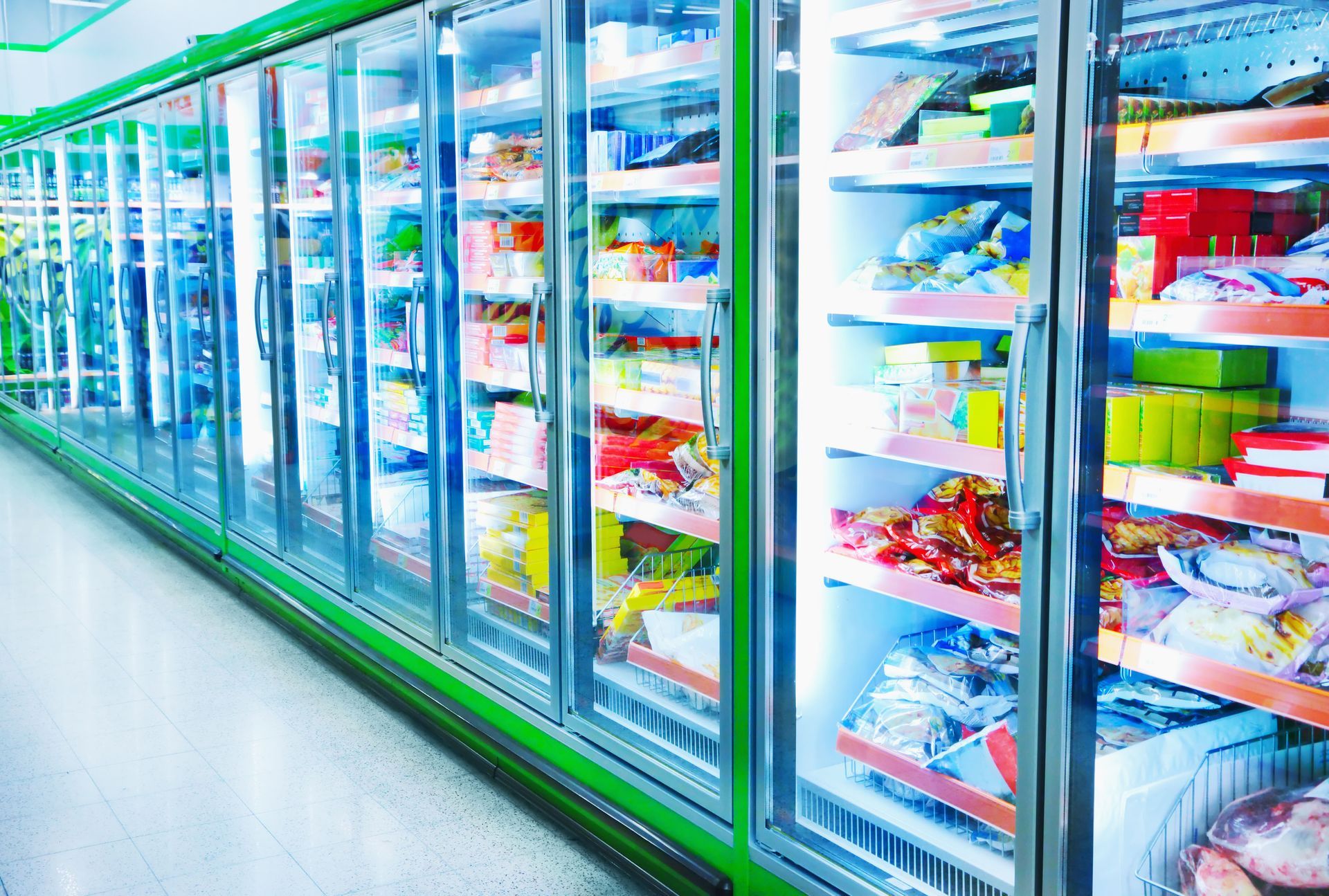
Commercial refrigeration systems are indispensable for various industries, including hospitality and retail, where preserving food and beverages is of utmost importance. These systems are designed to maintain specific temperatures in order to prolong the shelf life of perishable goods. Understanding the diversity among systems is essential for making informed choices tailored to specific business needs. By adapting to the specific requirements of different establishments, businesses can optimize operational efficiency and reduce the risk of spoilage in commercial refrigeration environments. A comprehensive understanding of system types allows businesses to navigate challenges and maximize the benefits of refrigeration technology.
Refrigeration systems come in various configurations, including centralized and self-contained units. Each type suits specific applications depending on the scale and storage capacity required. Centralized systems distribute cooling through a network of pipes and often serve multiple cooling zones simultaneously. In contrast, self-contained units are standalone and easier to install, making them suitable for smaller operations. The choice of system hinges on the business’s unique operational requirements and spatial constraints within commercial refrigeration setups.
In addition to selecting the appropriate system type, recognizing the range of available technologies is crucial. From traditional vapor compression systems to emerging technologies like magnetic refrigeration, each offers distinct advantages. The selection often depends on initial cost considerations, energy efficiency, and maintenance demands. Businesses must evaluate these aspects to confirm their commercial refrigeration choice aligns with operational goals and budgetary constraints. Ultimately, such informed choices translate into better cost management and sustainability.
Key Components and Their Functions
A commercial refrigeration system encompasses several key components, each with a specific role in supporting performance. The primary components include the compressor, condenser, evaporator, and refrigerant. The compressor functions as the heart of the system, pressurizing the refrigerant and propelling it through the circuit. As the refrigerant changes states from gas to liquid and vice versa, it facilitates heat absorption and expulsion, maintaining the desired temperature. Consistently monitoring each component's function is crucial for identifying potential issues that may arise during commercial refrigeration operation.
The condenser's role is to dissipate the heat absorbed by the refrigerant, typically located outside the cooled space to prevent heat reintroduction. Regular maintenance and cleaning of condenser coils are essential to uphold their effectiveness, preventing overheating of commercial refrigeration systems. Meanwhile, the evaporator absorbs heat from within the refrigerated space, maintaining uniform cooling. Any malfunctions here directly impact energy consumption and the preservation of stored goods.
Other auxiliary components also contribute to the system’s overall efficiency, such as fans that circulate air and support consistent cooling. The choice of refrigerant critically affects a system's environmental impact and efficiency. With advancements in refrigerant technology, newer options offer reduced environmental footprints. Regular evaluation and upgrading of commercial refrigeration components can lead to cost savings and improved efficiency.
Common Challenges and How to Overcome Them
In commercial refrigeration, maintaining reliable performance involves overcoming challenges related to system efficiency and operational continuity. One common issue is temperature fluctuation, which can lead to spoilage. Regular inspection of seals, thermostats, and components helps maintain stable commercial refrigeration performance.
Another frequent issue is frost buildup on evaporator coils, which reduces efficiency and increases energy consumption. Proper defrost cycles and humidity control help maintain optimal commercial refrigeration conditions. Modern systems with adaptive defrost controls can further improve efficiency.
Due to rising ingredient costs, reported by 76% of restaurant owners to affect their profits, according to The Food Institute, businesses face financial pressure. Efficient commercial refrigeration systems help reduce operational costs by lowering energy consumption and improving performance.
Importance of Regular Maintenance for Longevity
Regular maintenance extends the lifespan of commercial refrigeration systems by keeping all components operating effectively. Scheduling inspections, cleaning parts, and addressing repairs helps prevent breakdowns. Ignoring maintenance in commercial refrigeration systems can lead to costly repairs and downtime.
Regular Maintenance and Inspection Practices
Creating a Maintenance Schedule
Establishing a consistent maintenance schedule is one of the most effective ways to support long-term performance in commercial refrigeration systems. A well-planned schedule allows businesses to stay ahead of potential issues by addressing wear and tear before it leads to costly downtime. Routine tasks such as inspecting seals, checking refrigerant levels, and cleaning condenser coils should be performed at regular intervals based on system usage and manufacturer recommendations. By prioritizing these actions, businesses can maintain stable temperatures and reduce unexpected failures.
Customization is key when developing a maintenance plan for commercial refrigeration. High-demand environments, such as busy restaurants or grocery stores, may require more frequent inspections compared to smaller operations. Incorporating checklists and tracking completed tasks can help staff stay organized and accountable. When employees understand the importance of maintenance, they are more likely to recognize early warning signs, helping prevent minor issues from escalating into major disruptions.
Inspection of Refrigeration Components
Routine inspections play a vital role in preserving the efficiency of commercial refrigeration systems. By examining core components such as compressors, condensers, and evaporators, businesses can identify signs of damage, corrosion, or inefficiency early on. Addressing these issues quickly helps maintain consistent cooling performance and protects stored goods from spoilage. Even small irregularities can signal larger underlying problems, making inspections an essential part of system management.
In addition to primary components, supporting elements such as fans and airflow systems should also be evaluated regularly. Proper airflow is critical for maintaining balanced temperatures throughout commercial refrigeration units. Blockages or mechanical issues can disrupt this balance, leading to uneven cooling and increased energy usage. By conducting thorough inspections, businesses can optimize system performance and extend equipment lifespan.
Cleaning and Sanitation Techniques
Maintaining cleanliness within commercial refrigeration systems is essential for both efficiency and food safety. Dust, debris, and grease can accumulate on coils and internal components, reducing airflow and forcing the system to work harder. Regular cleaning helps prevent these issues, allowing the equipment to operate more efficiently while maintaining proper temperature control. Simple practices, such as wiping down surfaces and clearing drainage lines, can make a noticeable difference in system performance.
Sanitation also plays a critical role in preventing contamination and preserving product quality. Using approved cleaning solutions and following proper procedures helps maintain compliance with health standards. Employees should be trained on effective cleaning techniques to promote consistency across all commercial refrigeration units. A clean system not only supports operational efficiency but also reinforces a commitment to safety and quality.
Monitoring System Performance
Ongoing performance monitoring allows businesses to maintain control over their commercial refrigeration systems. By tracking temperature fluctuations, energy usage, and system alerts, operators can quickly identify irregular patterns and take corrective action. Modern monitoring tools provide real-time data, making it easier to detect issues before they impact operations. This level of visibility supports informed decision-making and helps maintain consistent performance.
Analyzing performance data over time also reveals opportunities for improvement. Adjustments to settings, maintenance schedules, or system configurations can enhance efficiency and reduce costs. When businesses actively monitor their commercial refrigeration systems, they create a proactive approach that minimizes risk and supports long-term reliability. This continuous evaluation helps maintain optimal conditions while adapting to changing operational demands. Contact Arctic Restaurant Service & Supply today.